 Historische Modellbahnen
»
Historische Modellbahnen - Tinplate und andere große Spuren
»
Spur 0 - amerikanische Bahnen (in Arbeit)
»
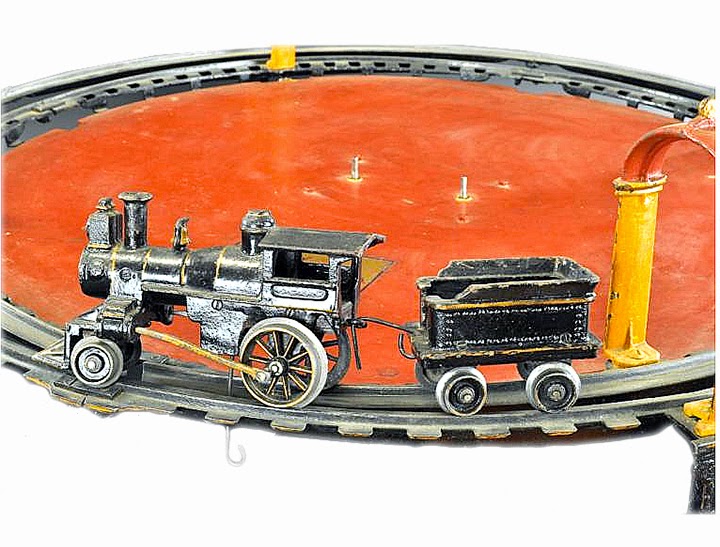
Ives No. 11, 1901. Marklin-Inspired
Historische Modellbahnen
»
Historische Modellbahnen - Tinplate und andere große Spuren
»
Spur 0 - amerikanische Bahnen (in Arbeit)
»
Ives No. 11, 1901. Marklin-Inspired
Themen-Einstellungen 
 Thema drucken
Bereich wechseln
Das Forum
Die Regeln
Anregungen, Fragen und Antworten zum Forum
Allgemeine Mitteilungen
Historische Modellbahnen - Tischbahnen
Märklin 00
Märklin H0
Märklin - the Sixties - die große Zeit der Märklin-Bahn
Trix Express & TTR
Frühe Tischbahnen der 1920er und 30er Jahre (Bing, Bub, Distler u.a.)
Tischbahnen anderer Hersteller der Größe 00 und H0
Hersteller der DDR und Berlin ab 9.5.1945 (auch SBZ bis 6.10.1949)
Zubehör allgemein
Zubehör aus der DDR und Berlin
Figuren aus Masse und Zinn
Kleine Spuren (Staiger Mignon, Rokal, Zeuke und andere)
Historische Modellbahnen - Tinplate und andere große Spuren
kleiner als 0, insbesondere Spur S
Spur 0 - Märklin
Spur 0 - Bing
Spur 0 - Bub (in Arbeit)
Spur 0 - alles außer Märklin, Bing und Bub
Spur 0 - amerikanische Bahnen (in Arbeit)
Spur 0 - britische Bahnen
Spur 0 - französische und belgische Bahnen (in Arbeit)
Spur 0 - SBZ, DDR und Berlin (in Arbeit)
Spur 1 (auch Größen zwischen 0 und 1)
größer als 1
Zubehör, Figuren und anderes
Gleise und Weichen
Replikas, Eigen- und Umbauten
Allgemeines und Historisches, Nostalgie-Anlagen
Termine, Treffen und Veranstaltungen
Replikas
Technik und Problemlösungen
Eigen- und Umbauten alter Fahrzeuge
Elektrik
Farb- und Lackarbeiten
|
|
Gunter H., Knockando, Printenbaron, cmnhorsebreeder, WolKo, Heiko, Udo, Hans van Dissel, Storchenbein, Skinny McFatty und Knolle gefällt das.
|




 Antworten
|
|
Maybe No. 11 first series 1901 til 1902
Heiko, Udo, Hans van Dissel und Knolle gefällt das.
|

|
|
|
#4 | RE: Ives No. 11, 1901. Marklin-Inspired
 11.12.2023 19:55 (zuletzt bearbeitet: 11.12.2023 20:08)
11.12.2023 19:55 (zuletzt bearbeitet: 11.12.2023 20:08)
|
|
Another link with some Ives vintage items |
Ives Passengers Series No 129 No 130 and No 131 um 1910-1912 Neuzugang im BW Ostfriesland » « IVES freight cars 0 gauge - Neuzugang BW Ostfriesland mit Hilfe von Wolko
